


5 ene 20243 min de lectura


4 oct 20233 min de lectura

$24.90/m
Price Range:
Age Range:
5-12
Shipping:
USA, International
Holiday Promotions Available
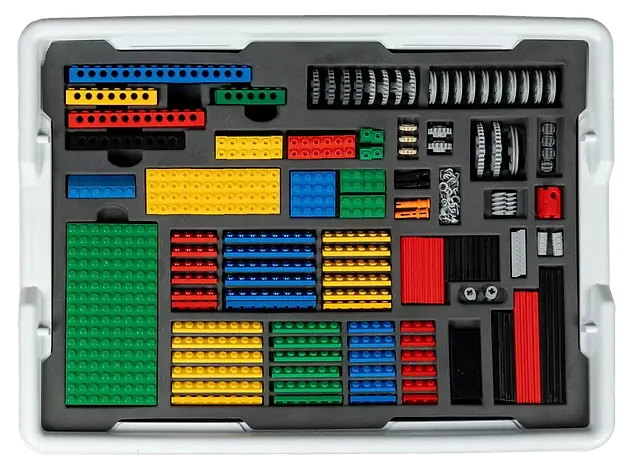
ibrick is an online STEM subscription program designed for children ages 5 to 12 that blends physical brick building with digital engineering and science lessons. Instead of shipping a brand-new box of plastic and cardboard components every single month, ibrick takes a different approach: families receive one comprehensive, LEGO-compatible building kit upon sign-up. That single kit serves as the foundation for the entire program.
Once the kit arrives, learning moves to ibrick's digital platform. Each week, children unlock a new guided project featuring step-by-step building instructions, a video lesson exploring a core STEM principle (such as mechanics or simple machines), and follow-up creative challenges that ask kids to modify their models to solve specific problems. The curriculum is developed in collaboration with mechanical engineers and child development specialists to ensure the concepts are both technically sound and age-appropriate.
ibrick divides its core curriculum into three distinct age brackets, each using the reusable kit to tackle progressively more complex concepts:
ibrick For 5-6 Years Old (ages 5–6, from $24.90/month, our rating: 9.0/10): Focuses on foundational building skills, early engineering mindsets, fine motor development, and confidence through simpler guided models.
ibrick For 7-8 Years Old (ages 7–8, from $24.90/month, our rating: 9.0/10): Broadens scientific understanding across machines, animals, and vehicles, encouraging deeper experimentation and iterative design.
ibrick For 9-12 Years Old (ages 9–12, from $24.90/month, our rating: 9.0/10): Introduces more demanding mechanical principles, complex mechanisms, and open-ended engineering problem-solving challenges.
The STEM subscription box market is crowded with established names like KiwiCo, MEL Science, and CrunchLabs. However, ibrick distinguishes itself in a few notable ways:
A zero-clutter, reusable model: Traditional subscription boxes like KiwiCo or CrunchLabs deliver new materials, craft supplies, or single-build toys every 30 days. Over time, this often leads to cluttered shelves and piles of discarded packaging. ibrick ships only one physical brick set that your child disassembles and rebuilds each week, making it significantly more eco-friendly and space-conscious.
Weekly cadence instead of monthly: While most competitors deliver a single project per month, ibrick unlocks a fresh digital adventure every seven days. This keeps children engaged on a consistent weekly rhythm rather than finishing a monthly crate in an afternoon and waiting weeks for the next delivery.
Familiar, durable medium: Because the components are high-grade, LEGO-compatible building bricks, children already know how to handle them intuitively. Unlike chemistry sets from MEL Science or delicate balsa wood kits, the pieces are durable and can easily integrate with standard brick collections your child already owns at home.
Screen time is mandatory: Because instructions, video lessons, and challenges live on the digital platform, your child must use a tablet, laptop, or computer to complete every build. Parents seeking an entirely screen-free activity may prefer physical crate alternatives.
Disassembly is required: Because all builds use the same reusable kit, your child cannot permanently display their creations. If your child struggles with taking apart a model they spent an hour perfecting to build the next one, this model may require some adjustment.
Subscription commitments: Auto-renewal can only be turned off before the renewal window (at least three days prior), and plans cannot be cancelled mid-term once the initial 14-day trial period concludes.
Adult guidance for the youngest builders: While older kids can navigate the video interface and building steps independently, 5- and 6-year-olds will likely need parental help to follow digital instructions and manage brick sorting.
Because every tier starts from $24.90/month and utilizes a similar hands-on brick kit, your choice comes down strictly to your child's age, fine motor confidence, and attention span:
If your child is in kindergarten or first grade, choose the 5-6 Years Old track. The pacing is gentle, the instructions emphasize visual clarity, and the builds reinforce basic spatial skills without overwhelming small hands.
For children in second or third grade who already enjoy free-building with standard bricks, the 7-8 Years Old track hits the sweet spot. It introduces mechanical curiosity—such as gears and levers—while keeping challenges fun and accessible.
For upper-elementary and middle-school builders who want a genuine challenge, choose the 9-12 Years Old track. This track leans heavily into functional engineering, asking builders to troubleshoot mechanical issues and invent their own custom solutions.
ibrick offers an inventive, low-clutter alternative to standard monthly crates by pairing a single reusable brick set with weekly digital STEM challenges. It is an ideal fit for kids who love building and families who want structured, ongoing engineering lessons without accumulating endless boxes of spare parts.
Precios
$24.90/m
US:
UK:
Siglos
5-12
ibrick
Productos por